Tuesday, March 22, 2016

Here Are Some Pictures That May Be On The Test Thursday.

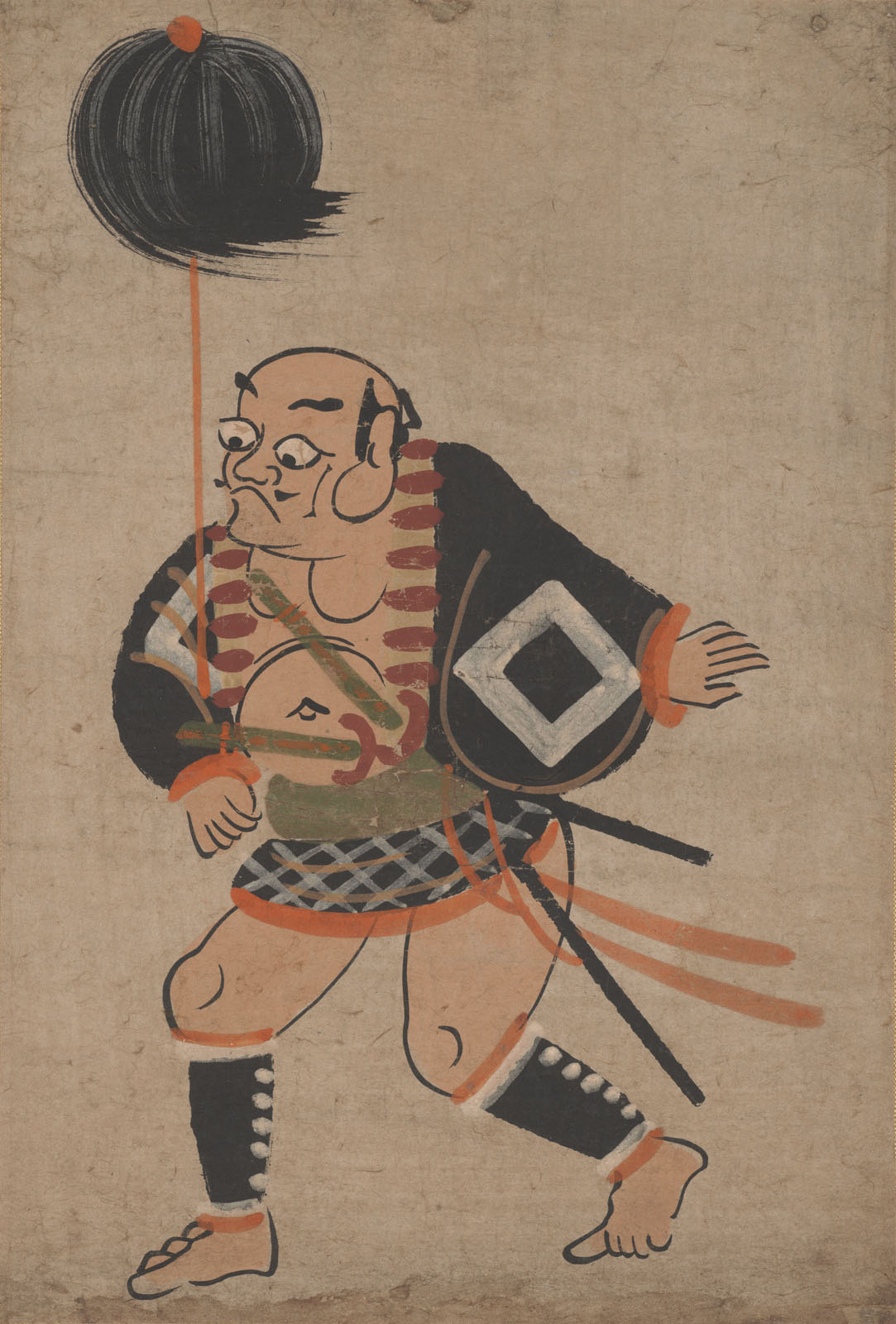
Some of these pictures will be on the China/Japan test Thursday.


There may be other pictures on the test as well.


Monday, March 14, 2016

Edo Period Artwork

Here are the slides from our lesson on art during Japan's Edo period. Click on the picture to see a larger version.


Four Japanese Demons


Daimyo Procession, 


Insect Procession


Otsu-e Yakko - Standard Carrier


Otsu-e Goblin in Prayer


Otsu-e Storefront


View of Matsushima


Mt. Fuji from Miho-no-Matsubara


Rice Paddies and Fuji after Taiga


Basho with a Deer


Basho and Two Haiku


Monday, February 29, 2016

Read-In Day Reading

What did you read for today's Read-in?

Let us know in a comment.

Tell us what you read and what you thought about it?  Tell us what your book was about but avoid long plot summaries.  Why you liked or didn't like a book is much more interesting than a plot summary.

Two or three sentences is all you need.

Thursday, February 25, 2016

Ch. 20 - Cultural Diffusion in Japan Assignment (Updated)

Complete this assignment on the back of your handout or on other paper that you attach to it.

Finish the Processing 20 handout before you do this assignment.  

Assignment:  Select one of the eight topics on the handout: government, city design, religion, writing, literature, sculpture, architecture or music.  Design a full page advertisement for that topic as it is in Japan.  Be sure to mention what ideas Japanese culture took from India, China or Japan and how they improved upon them or changed them.

Your advertisement should include a title, a slogan, a picture and a brief description of  how Japan changed or improved upon the ideas they acquired through cultural diffusion.

For instance, your advertisement might say that Japanese cities are the best.  It would include a map of a Japanese city and an explanation of how the Japanese took ideas from China and adapted them for use in Japan.

Tuesday, February 23, 2016

How did the Archipelago of Japan Come to Be UPDATED!

Do some research into the Archipelago of Japan.  Find out how it came to be according to Shinto mythology and according to science (geology).   Write a 50 cent summary to answer each of the questions below.  Remember, in a 50 cent summary you have 50 cents to spend, each word costs one cent and the words 'a', 'an' and 'the' are free.

Questions:

1.  According to Shinto mythology, who created the islands of Japan and how did they do it.?

2.  According to science (geology), how did the islands of Japan come to be?

Answer each question in a well written 50 cent paragraph.

Do this on binder paper or typed it up and print it out.  Do not write your final answer in your journal

Due: Thursday, Feb. 25, 1016.

Papers turned in late will not be counted for progress reports and may receive a reduced grade.

Wednesday, January 20, 2016

The Outsiders Extension Activity

 
For this activity you will research one of the elements S. E. Hinton incorporated into her novel, The Outsiders

Your project must include visuals and multiple paragraphs.  The number of paragraphs is dependent on the topic you choose. 

You may present your findings in any format, such as an essay, brochure, presentation, model, or display.  You are only limited by your own creativity. 

Be sure to include a brief introduction discussing how the element you chose to research is featured in the novel and a brief conclusion summing up your research and giving your final thoughts.

Choose a research topic from the following:
  • Tuff cars of the mid-60’s: Corvairs, Mustangs, T-Birds, and Corvette
  • Greaser icons: James Dean in Rebel Without a Cause and Marlon Brando in The Wild One
  • Music: Elvis, the Beatles, and Hank Williams
  •  Rodeo Events
  • Books: Great Expectations by Charles Dickens and Gone with the Wind by Margaret Mitchell
  • Drive-in culture:  Movie genres and representative examples from the golden age of the drive-in, the late 50’s to the mid-60’s
  • Other topics with teacher approval 
Be ready to present your project to the class on February 10.  


Monday, January 11, 2016

Chinese Painting Homework

Take a look at the painting below titled "Fisherman."  Use the Beginning/Middle/End strategy that we used in class during the fall to write a story about this painting.  Use the painting as an illustration of either the beginning, the middle or the end of your story.  

Start by cutting out the copy of the painting you received in class today and gluing it into your history journal.  Use a blank page.  they write your story around, above and below the painting.  Your story should be one page long.  You can make your story about China or about anything else as long as the painting illustrates either the beginning the middle  or the end of the story.  

Stories are due on Wednesday, Jan 13.

"Fisherman" by Wu Zhen, Yuan Dynasty, 1350 ink on handscroll