Visit this blog post. Read it over and then answer the questions about it in your packet.
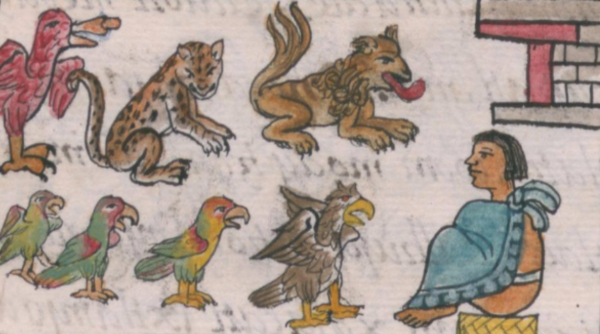
Next take a look at a few pages from the Florentine Codex and then complete the questions in your packet about it
Then, use this zoomable map of Tenochtitlan, or the map in your Aztec File, to answer some questions.
Finally, take a look at Cortes letter to Emperor Charles V of Spain in the original text and in translation to answer questions about what he says he saw in Tenochtitlan.
Now you are ready to answer the question citing evidence from the documents to support your position.
Thursday, April 26, 2018
Monday, April 16, 2018
The Aztec Files - Geography Challenge
Here are the questions from today's Geography Challenge.
Complete all eight questions on the inside of your Aztec File by Thursday, April 20.
Be sure to include both the question and the answer.
1. Find the area in the Americas where the Mayan and Aztec civilizations were located. Shade and label them on your map.
In which modern countries did the Mayan civilization exist. In which modern country did the Aztec civilization exist?
2. Find the area in the Americas where the Inca civilization was located. Shade and label the area on your map.
In which modern countries did the Inca Civilization exist?
3. What are three important physical features found in southern Mexico and Guatemala?
Label each feature on your map, and draw a symbol to represent it.
4. What are three important physical features found in central Mexico?
Label each feature on your map, and draw a symbol to represent it.
5. What are three important physical features found along the west coast of South America?
Label each feature on your map, and draw a symbol to represent it.
6. Which civilization existed primarily in a tropical wet climate zone?
7.. What are the principal climate zones in which the Aztecs existed?
Be sure to note where the Aztec capital is located.
8. What are the pricipal climate zones in which the Incas existed?
Be sure to note wehre the Inca capital is located.
Complete all eight questions on the inside of your Aztec File by Thursday, April 20.
Be sure to include both the question and the answer.
1. Find the area in the Americas where the Mayan and Aztec civilizations were located. Shade and label them on your map.
In which modern countries did the Mayan civilization exist. In which modern country did the Aztec civilization exist?
2. Find the area in the Americas where the Inca civilization was located. Shade and label the area on your map.
In which modern countries did the Inca Civilization exist?
3. What are three important physical features found in southern Mexico and Guatemala?
Label each feature on your map, and draw a symbol to represent it.
4. What are three important physical features found in central Mexico?
Label each feature on your map, and draw a symbol to represent it.
5. What are three important physical features found along the west coast of South America?
Label each feature on your map, and draw a symbol to represent it.
6. Which civilization existed primarily in a tropical wet climate zone?
7.. What are the principal climate zones in which the Aztecs existed?
Be sure to note where the Aztec capital is located.
8. What are the pricipal climate zones in which the Incas existed?
Be sure to note wehre the Inca capital is located.
Friday, March 23, 2018
Art from Japan's Edo Period
Here are the slides from our lesson on art during Japan's Edo period. Click on the picture to see a larger version.
Four Japanese Demons
Daimyo Procession,
Insect Procession
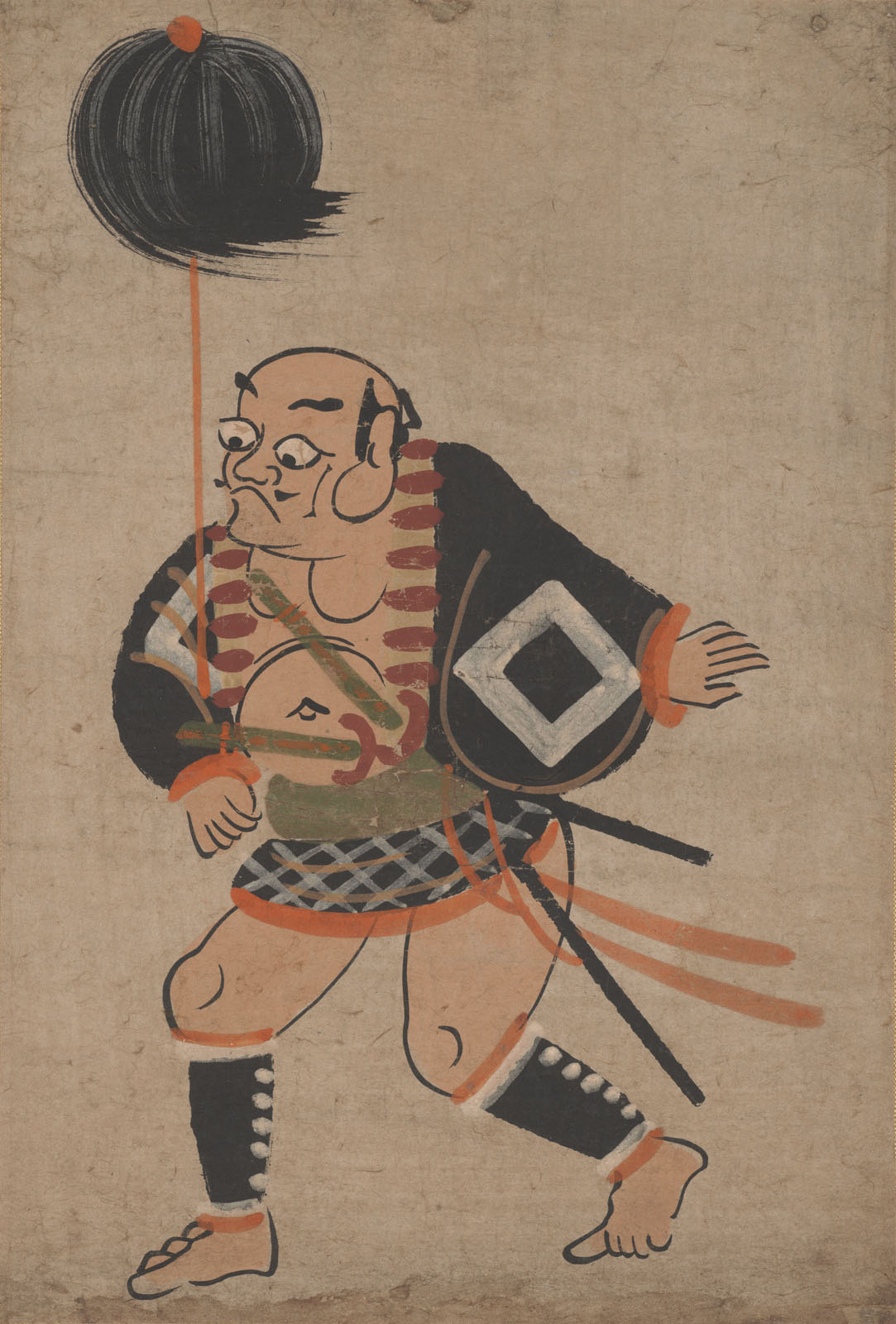
Otsu-e Yakko - Standard Carrier
Otsu-e Goblin in Prayer
Otsu-e Storefront
View of Matsushima
Mt. Fuji from Miho-no-Matsubara
Rice Paddies and Fuji after Taiga
Basho with a Deer
Basho and Two Haiku
Wednesday, March 21, 2018
A Samurai's Tale
Use at least 8 of the following terms in your Samurai's tale.
Write you tale in your history journal next to the samurai picture.
Due Friday.
Terms
Write you tale in your history journal next to the samurai picture.
Due Friday.
Terms
- shogun
- daimyo
- armor
- weapons
- training
- "fear of death"
- haiku
- bushido
- Zen
- seppuku
- samurai women
- Amida Buddha
- tea ceremony
- calligraphy
Your tale can be about a single day in a samurai's life or about the entire life of one samurai. Your samurai can be a man or a woman.
Monday, March 12, 2018
Heian-Kyo Journals. Life in Japan's Golden Age
The Heian-Kyo period is considered Japan's Golden Age because it produced so many great works of art including many diaries like Sei Shonogan's Pillow Book.
Use your notes from the activity and chapter 21 to create your own pillow book about life in Heian-Kyo Japan. Follow the directions on the handout and the blue sample pages on the white board.
You should focus each paragraph of your pillow book/diary on one section of your notes. Be sure to include at much historical information in your diary as you can. Even the pictures should be historical.
You may include captions for each picture as part of your 500-700 words.
Remember 500-700 words is between three and five pages for most people, including pictures.
You may make your diary tell a longer story.
Here are some pictures you can use to inspire your diary. You may base your illustrations on these pictures.
Use your notes from the activity and chapter 21 to create your own pillow book about life in Heian-Kyo Japan. Follow the directions on the handout and the blue sample pages on the white board.
You should focus each paragraph of your pillow book/diary on one section of your notes. Be sure to include at much historical information in your diary as you can. Even the pictures should be historical.
You may include captions for each picture as part of your 500-700 words.
Remember 500-700 words is between three and five pages for most people, including pictures.
You may make your diary tell a longer story.
Here are some pictures you can use to inspire your diary. You may base your illustrations on these pictures.
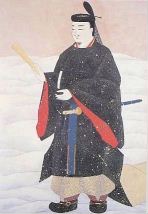
Shrine of Emperor Kammu. Your dairy might describe a trip to one of Heian-Kyo's many shrines. You might describe what the priests look like the way Sei Shonagon's did in The Pillow Book
Fujiwara Michinaga. Remember your meeting with Fujiwara Michinaga? You can include it in your diary.
A fan from the Heian-kyo period. This could be the fan you found. You can mention it in your diary.
A lady in Heian-kyo period makeup. If you're writing about a woman in your diary, you can describe putting on all of this make-up.
Heain-kyo era painting of a scene from TheTale of Genji. You might be reading Lady Murasaki's book. Write your reacting to the latest chapter in your diary.
Sei Shonagon the author of The Pillow Book. Maybe she mentioned you in it. Maybe you have read some. You can include something from one of the lists she wrote.
What was life in the United States like 50 years ago?
Go to this website to find out what life was like in America at the time when Brown Girl Dreaming is set.
Country Living.
While you're there, view as many of the slides in the show as you can. You don't have to see them all.
Take notes on five of the slides including a description of the picture and at least one note from the description.
Be prepared to write a paragraph about the things that surprised or impressed you about life in 1968.
Country Living.
While you're there, view as many of the slides in the show as you can. You don't have to see them all.
Take notes on five of the slides including a description of the picture and at least one note from the description.
Be prepared to write a paragraph about the things that surprised or impressed you about life in 1968.
Friday, March 2, 2018
Witness in a Box: Examples by Professional Artists.
Here are some examples of Joseph Cornell and Betye Saar's work. You can use these as models or inspirations for your own Witness in a Box project.
"Parrot for Juan Gris" by Joseph Cornell
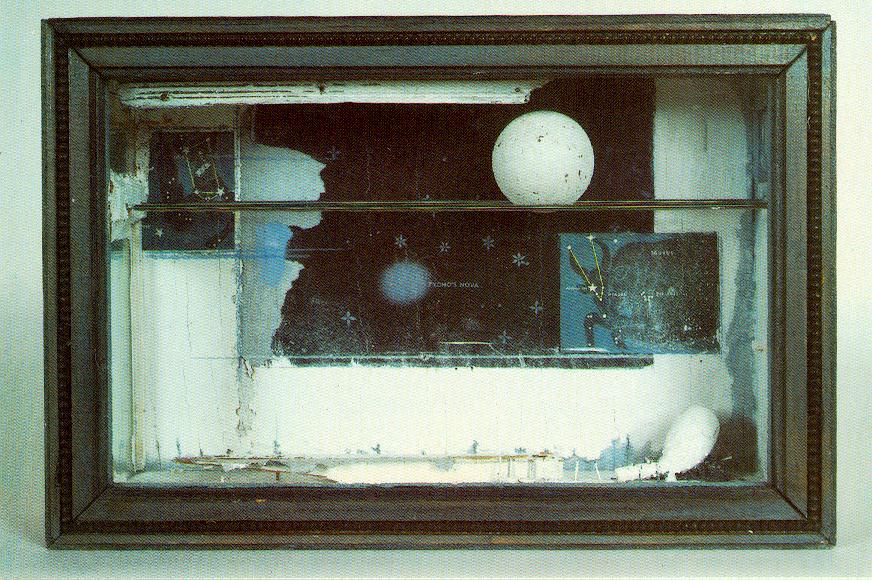
"Cassiopeia 1" by Joseph Cornell
"We Was Mostly About Survival" by Betye Saar
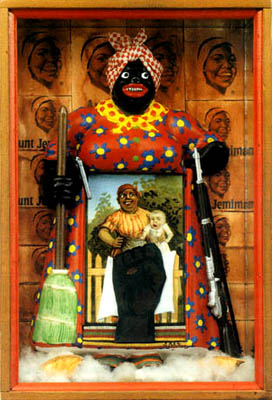
"The Liberation of Aunt Jemima" by Betye Saar
Rules for your Witness in a Box project.
Must use:
- a box provided by the teacher.
- images and shapes
- something that hangs or moves
- creativity
May not use:
- words.
- images of the person.
- photographs of the actual event.
May use and material in the classroom or at home.
This is a 75% project.* Be creative. Take your time. Make your product look good.
*Final grade will include an artist statement and the essay.
Subscribe to:
Posts (Atom)